

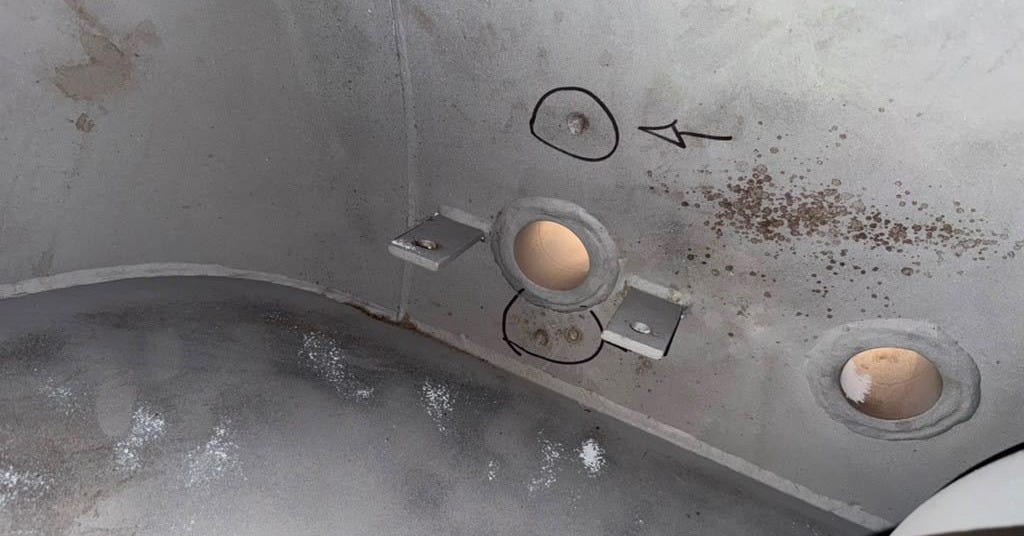
Aging infrastructure and fluctuating process conditions in the oil and gas sector increase the risk of undetected internal vessel degradation. Establishing a rigorous inspection program is critical for minimizing downtime and ensuring the safety of personnel on-site.
1. Prioritize Thorough Internal Visual Inspections
Visual examinations remain the foundational step for identifying obvious signs of pitting, cracking, or severe wall thinning. Inspectors must document all surface irregularities to establish a clear baseline for future comparison.
2. Utilize Advanced Ultrasonic Testing Methods
Ultrasonic thickness gauging allows for precise measurements of metal loss without compromising the pressure boundary. Use phased array technology to map internal defects and characterize the severity of subsurface flaws.
3. Detect Stress Corrosion Cracking Early
Stress corrosion cracking often hides beneath deposits or inside weld heat-affected zones. Wet fluorescent magnetic particle testing provides high-resolution detection of surface-breaking cracks that might be invisible to the naked eye.
4. Monitor Internal Coating Degradation Closely
Failure of internal protective linings often leads to rapid localized corrosion of the base metal. Regularly check for blistering, delamination, or peeling, as these indicate a breakdown in the primary barrier against process contaminants.
5. Assess Weld Integrity Through Radiography
Internal weld defects like hydrogen induced cracking or slag inclusions can propagate into catastrophic failures. Radiographic testing offers an accurate permanent record of internal weld quality that is essential for long-term integrity management.
6. Perform Periodic Internal Deposit Analysis
Accumulated sediment or sludge can trap corrosive agents against the vessel floor and promote under-deposit corrosion. Testing the chemical composition of these deposits helps identify if the process fluid is becoming increasingly aggressive over time.
7. Integrate Digital Data Tracking Systems
Maintaining detailed digital records of inspection history enables the identification of subtle degradation trends across the entire fleet. Use this data to transition from reactive maintenance to a risk-based inspection strategy that targets the most vulnerable components.
Implementing these proactive inspection practices will significantly extend the operational life of your assets. Contact your engineering team today to review your current maintenance schedule and identify critical gaps.
Looking for vessel inspection vendors?