

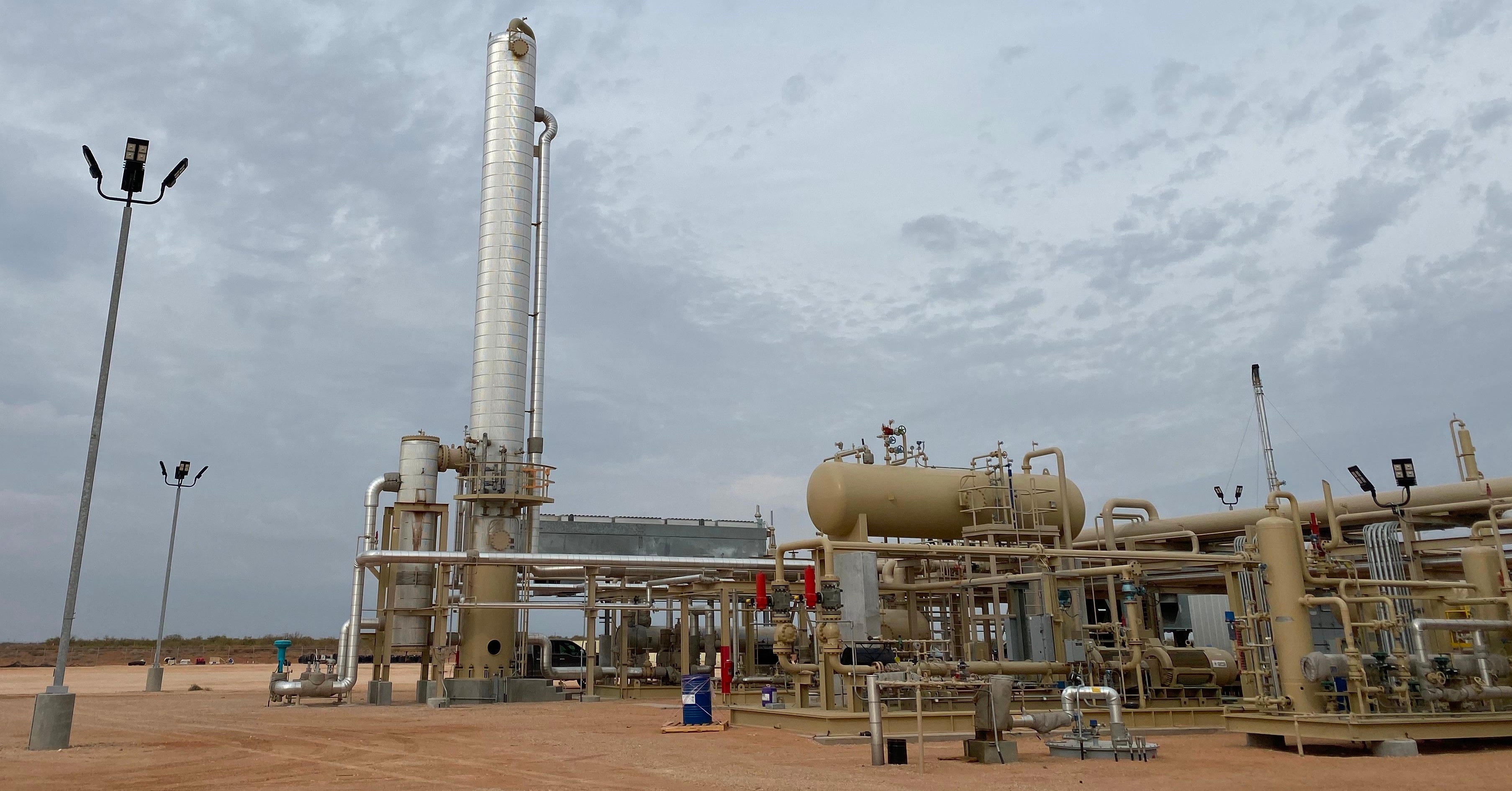
As midstream operators face increasing pressure to handle higher volumes while maintaining stringent product specifications, optimizing gas treating units is critical for profitability. Efficient flow management ensures consistent acid gas removal and reduces energy consumption across the entire processing facility.
1. Monitor Solvent Circulation Rates Carefully
Maintain solvent circulation at the minimum effective rate required to meet gas purity standards. Excessive circulation leads to unnecessary heat duty in the reboiler and increased pump power consumption.
2. Optimize Reboiler Heat Duty Settings
Adjust reboiler temperatures to ensure adequate solvent stripping without causing thermal degradation of the amine. Consistent heat management prevents foaming issues and extends the lifespan of your solvent inventory.
3. Standardize Inlet Gas Temperature Control
Maintain inlet gas temperatures at or slightly above the contactor temperature to prevent hydrocarbon condensation. Controlling this differential helps avoid solvent foaming and improves mass transfer efficiency within the tower.
4. Maintain Proper Solvent Purity Levels
Regularly monitor solvent filtration systems to remove suspended solids and degradation products. High-quality solvent maintains optimal viscosity and reduces the risk of fouling on heat exchanger surfaces.
5. Balance Contactor Tray and Packing
Verify that your internals are properly liquid-distributed to prevent channeling and bypassed gas flow. Periodic inspections of trays or packing ensure consistent contact between the gas and the treating solution.
6. Implement Real-Time Analytical Monitoring
Utilize online gas chromatographs to monitor inlet and outlet contaminants continuously. Rapid data feedback allows operators to make immediate adjustments to process variables before specification deviations occur.
7. Optimize Flash Tank Operating Pressure
Adjust flash tank pressures to maximize hydrocarbon recovery and reduce dissolved gas concentrations before solvent enters the regenerator. This stabilizes the heat load on the reboiler and improves overall process efficiency.
8. Manage Startup and Shutdown Ramps
Follow established ramp-up procedures to avoid pressure surges or temperature spikes that stress tower internals. Controlled transitions protect mechanical components and ensure stable flow regimes from the beginning of the cycle.
9. Conduct Routine Heat Exchanger Audits
Perform regular maintenance on lean-rich exchangers to ensure maximum heat recovery. Clean surfaces significantly reduce the steam demand on the reboiler and improve the thermodynamic balance of the treating loop.
Systematic attention to these operational parameters will yield tangible improvements in your unit throughput. Contact your internal process engineering team to begin an audit of your current flow configurations today.
Looking for gas treating vendors?