

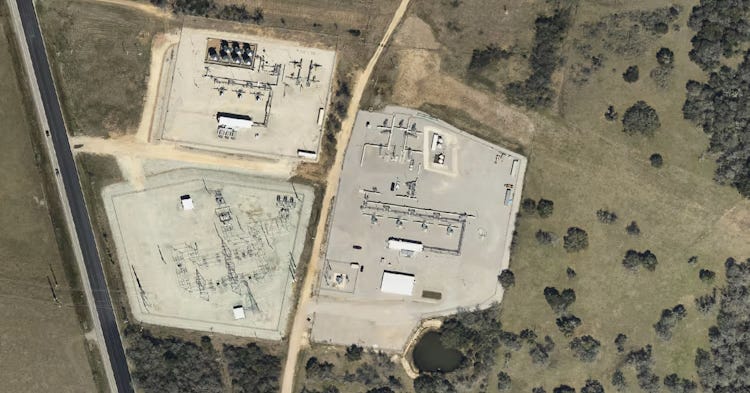
As operators increase reliance on automated artificial lift and remote monitoring systems, power distribution quality has become a critical link in the production chain. Understanding the nuances of remote power stability is essential for mitigating unplanned downtime and ensuring the longevity of sensitive field instrumentation.
1. Harmonic Distortion from VFD Drives
Variable frequency drives are essential for efficient pumping but introduce significant harmonic distortion back into the local distribution system. This noise can cause overheating in transformers and erratic behavior in digital controllers if not properly mitigated with line reactors.
2. Voltage Unbalance in Three-Phase Power
Even minor voltage imbalances between phases can lead to excessive heat buildup in electric submersible pump motors. This reduces motor efficiency and significantly accelerates the degradation of critical insulation systems over time.
3. Extreme Ambient Temperature Fluctuations
Wide swings in surface temperatures affect the dielectric strength and cooling efficiency of oil-filled transformers at remote sites. Without proper thermal management and fluid maintenance, these swings can lead to premature transformer failure during peak demand periods.
4. Inadequate Grounding and Bonding Paths
Remote locations often struggle with high soil resistivity, which compromises the integrity of electrical grounding systems. Poor grounding provides an inadequate path for fault currents and leaves sensitive electronic components vulnerable to surge damage.
5. High Impedance Utility Connection Points
Long distribution lines feeding remote well pads often suffer from high impedance, causing significant voltage drops during motor startup. These dips can trigger false protective relay trips, forcing unnecessary site visits for manual resets.
6. Power Factor Correction Equipment Failure
While capacitors improve power factor, they are sensitive to grid transients that can cause them to fail or resonate with other site equipment. Regular testing of these units is required to prevent them from becoming a source of electrical instability.
7. Accumulated Dust and Debris Ingress
Dust buildup within outdoor electrical cabinets acts as an insulator, trapping heat and preventing proper heat dissipation from breakers and contactors. Periodic cleaning and sealing of enclosures are necessary to maintain the thermal ratings of field-installed switchgear.
8. Suboptimal Tap Changer Settings
Transformers are often left on factory tap settings regardless of the actual load profiles or distances from the substation. Adjusting tap positions based on localized voltage measurements can restore proper operating levels and reduce unnecessary strain on downstream equipment.
9. Unfiltered Lightning and Surge Transients
Surges caused by lightning strikes or utility grid switching can overwhelm basic surge protection devices that have aged beyond their design life. Implementing tiered protection strategies ensures that high-energy events are diverted away from critical automation hardware.
Evaluating these factors through regular power quality audits will help stabilize your remote operations. Contact your lead electrical engineer to schedule an assessment of your current distribution infrastructure.
Looking for power distribution vendors?