

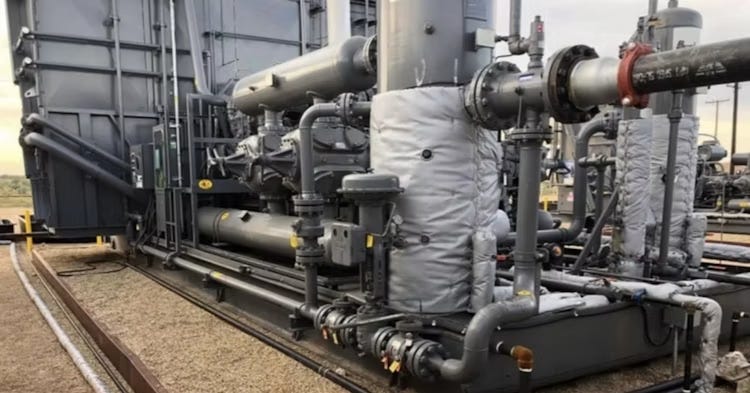
Effective winterizing of production equipment is vital to preventing catastrophic failures and minimizing costly downtime during freezing weather events. This guide outlines the standard field procedures necessary to secure separators, pump jacks, and fluid lines against extreme cold.
Step 1: Isolate and Drain Liquid Lines
Shut off all primary valves to isolate individual fluid lines from the main process flow. Open drain valves at all low points to ensure no stagnant water or condensate remains, as trapped fluids will expand and cause piping to burst when freezing occurs.
Step 2: Insulate Exposed Piping and Valves
Apply weather-rated foam or fiberglass insulation to all exposed manifolds, valves, and instrumentation lines. Ensure that the wrap is sealed tightly with moisture-resistant tape to prevent ice buildup underneath the protective layer.
Step 3: Verify Glycol Injection System Functionality
Confirm that your methanol or glycol injection pumps are operating at the required flow rate to inhibit hydrate formation. Check the supply tank levels and ensure that all delivery lines are free of clogs or crystallization.
Step 4: Test Winterization Heating Elements
Energize all electrical heat tracing and immersion heaters to verify they reach optimal operating temperatures. Inspect the thermostat sensors for proper calibration, as a failed sensor can leave equipment vulnerable to rapid ambient temperature drops.
Step 5: Inspect Instrumentation and Gauges
Check all pressure gauges and pneumatic controllers for signs of moisture ingress. Replace any worn seals or gaskets that show cracking, as cold air makes these components brittle and prone to catastrophic failure.
Step 6: Winterize Pneumatic Actuator Supply Lines
Drain the air supply headers to ensure that instrument air is dry and free of condensation. If moisture reaches the actuator, it can freeze internally, preventing the valve from performing critical emergency shutdowns.
Step 7: Perform Final Site Perimeter Audit
Walk the site to ensure all hatches on storage tanks are tightly sealed and that secondary containment is clear of debris. Confirm that there are no visible leaks or drips that could create localized ice hazards around walking surfaces.
Following these steps ensures your production assets remain operational throughout the winter season. Verify that all valves are in their correct positions and instrumentation reads normally before bringing the equipment back to full service.
Need help finding vendors for your project?
Explore Trunkline’s Top 10 vendor rankings to find companies with the experience and capabilities to get the job done.